

top of page

Life is waiting,
Let's start your next chapter.

Addiction Treatment & Mental Health Recovery in Palm Beach, FL

Comprehensive Care and Support for Mental Health and Substance Abuse


Specialized Trauma & Dual Diagnosis Care

Our Mission

At Pathwaze Recovery Center, we are dedicated to empowering individuals on their pathway to healing and renewal. Through compassionate support, evidence-based practices, and a holistic approach, we foster a safe and inclusive environment that promotes recovery, resilience, and personal growth. Our mission is to inspire hope, transform lives, and build a stronger community, one step along the pathway at a time.

Pathwaze Recovery in Palm Beach, FL

Inpatient Drug & Alcohol Addiction Rehab

Personalized Treatment Plans

Pathwaze Recovery

Trauma Services

Designed to address the underlying emotional wounds that often fuel addiction. Through evidence-based therapies like EMDR, somatic experiencing, and trauma-informed counseling, clients learn to process past pain in a safe, supportive environment. Our clinicians specialize in helping individuals reclaim their sense of safety, identity, and resilience—laying the foundation for lasting recovery.

Art Therapy

A powerful outlet for self-discovery and healing. Guided by licensed art therapists, clients use painting, drawing, sculpture, and mixed media to explore emotions that may be difficult to express verbally. This process fosters insight, reduces stress, and builds emotional regulation—all while reconnecting individuals with their innate creativity and sense of purpose.

Mindfulness & Cognitive Based Therapy (CBT)

Our integrated approach to Mindfulness and Cognitive Behavioral Therapy (CBT) helps clients break free from destructive thought loops and develop healthier coping strategies. Through guided meditation, breathwork, and structured CBT sessions, individuals learn to observe their thoughts without judgment, challenge cognitive distortions, and build emotional resilience. This dual modality empowers clients to stay grounded and intentional throughout their recovery journey.

Trusted by Leading Insurers

Available Treatments

Personalized Treatment Plans

Pharmacist Organizing Medicine

GLP1 Medications

(e.g., semaglutide, liraglutide) — for cravings

GLP1 medications were originally developed for diabetes and weight management, butearly research suggests they may:

  • Reduce drug cravings by affecting reward pathways in the brain

  • Help stabilize impulse control, which can support recovery

  • Improve overall metabolic health, which is often impacted by longterm substance use

  • Potentially reduce compulsive behaviors, which can overlap with addiction

GLP1 medications are emerging as a promising tool for reducing cravings by calming the brain’s reward system, helping people feel more in control as they work toward recovery.

Pharmacist Assisting Customer

Suboxone

buprenorphine + naloxone

Suboxone is a cornerstone medication for opioid use disorder. Benefits include:

  • Reduces withdrawal symptoms and cravings, making recovery more stable

  • Lowers risk of overdose

  • Helps people with cooccurring mental illness by reducing the chaos of withdrawal, allowing therapy and psychiatric care to work better

  • Supports longterm stabilization, which is crucial for mood and anxiety disorders

Suboxone offers reliable relief from opioid withdrawal and cravings, creating the stability needed for people to focus on their mental health.

Injecting Epinephrine

Sublocade

extendedrelease buprenorphine injection

Sublocade is a monthly injection version of buprenorphine. Benefits include:

  • Provides steady medication levels, reducing mood swings and relapse risk

  • Removes the burden of daily dosing, which helps people with depression, ADHD, or cognitive symptoms

  • Reduces risk of misuse or diversion

  • Improves treatment adherence, which is especially helpful for people managing multiple conditions

Sublocade, the monthly injectable form of buprenorphine, provides steady support without daily dosing—an advantage for anyone juggling depression, anxiety, or other conditions that make routines difficult.

Pharmacy Interaction

Naltrexone

oral consumption

Naltrexone blocks opioid effects and reduces alcohol cravings. Benefits include:

  • Helps reduce alcohol or opioid cravings

  • Supports people with mental illness by reducing the cycle of relapse that worsens symptoms

  • Nonaddictive and does not cause physical dependence

  • Can be used for alcohol use disorder, which commonly cooccurs with depression and anxiety

Naltrexone helps reduce cravings for alcohol and opioids without causing dependence.

Syringe And Vial

Vivitrol

extendedrelease naltrexone injection

Vivitrol is the monthly injectable form of naltrexone. Benefits include:

  • Provides consistent medication coverage for 30 days

  • Helps people who struggle with daily medication adherence due to depression, trauma, or cognitive symptoms

  • Reduces cravings for alcohol and opioids

  • No risk of misuse

Vivitrol, its long acting injectable form, delivers a full month of protection and removes the stress of remembering daily medication.

Woman Sitting Alone

Ketamine Assisted Psychotherapy

KAP

KAP combines ketamine sessions with structured therapy. Benefits include:

  • Rapid reduction in severe depression, which often drives substance use

  • Helps interrupt cycles of hopelessness that fuel addiction

  • Can increase neuroplasticity, making therapy more effective

  • May reduce cravings or compulsive patterns for some people

  • Provides a therapeutic window where people feel more open, reflective, and emotionally regulated

KetamineAssisted Psychotherapy combines the rapid mood lifting effects of ketamine with guided therapy, offering a powerful option for people facing both addiction and treatment resistant depression.

Consultation

Eye Movement Desensitization and Reprocessing

EMDR Healing Trauma: What it is and the benefits

Eye Movement Desensitization and Reprocessing (EMDR) is a clinically proven therapy that helps the brain "reboot" how it stores painful memories. Instead of just talking about a problem, EMDR uses Bilateral Stimulation (like guided eye movements) to take the emotional "sting" out of past experiences. 

Key Benefits

  •  Neutralizes Trauma: Shifts vivid, distressing memories into "neutral" historical events, reducing their power to cause panic or flashbacks.

  • Breaks the Addiction Loop: Many people use substances to "numb" old wounds. By healing the underlying trauma, the urge to self-medicate often fades.

  • Rewires Negative Beliefs: Replaces intrusive thoughts like "I'm not safe" with empowering ones like "It's over; I'm okay now."

  • Rapid Relief: Often works faster than traditional talk therapy because it focuses on the brain's natural processing power rather than conversation.

Therapy Session Discussion

Eye Movement Desensitization and Reprocessing

EMDR Healing Trauma: Who is it for?

EMDR is highly effective for PTSD, anxiety, depression, and substance use disorders. It allows you to process the past without needing to explain every painful detail out loud.

Addiction-Focused EMDR Therapy (AF-EMDR)


A specialized, drug-free therapy designed to extinguish substance abuse triggers and overcome treatment resistance. Rather than focusing on historical trauma, this approach targets the neurological "urge" and environmental cues—such as specific
objects, locations, or sensory memories—that spark cravings. By reprocessing these triggers, EMDR helps neutralize the compulsive drive to use. Additionally, it is used to resolve clinical "stuck points," breaking through the cognitive defenses that often lead to treatment resistance.

OUR TEAM

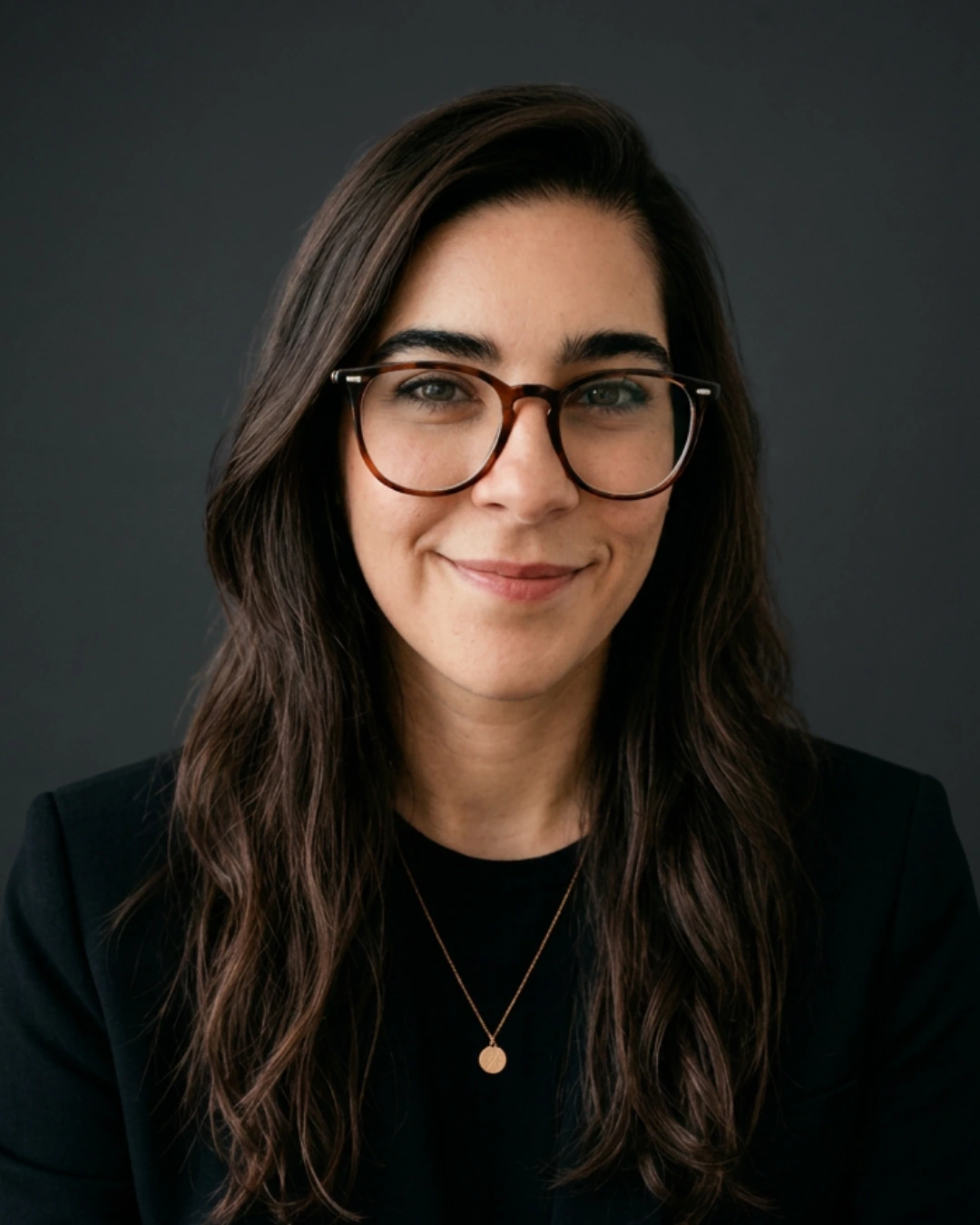
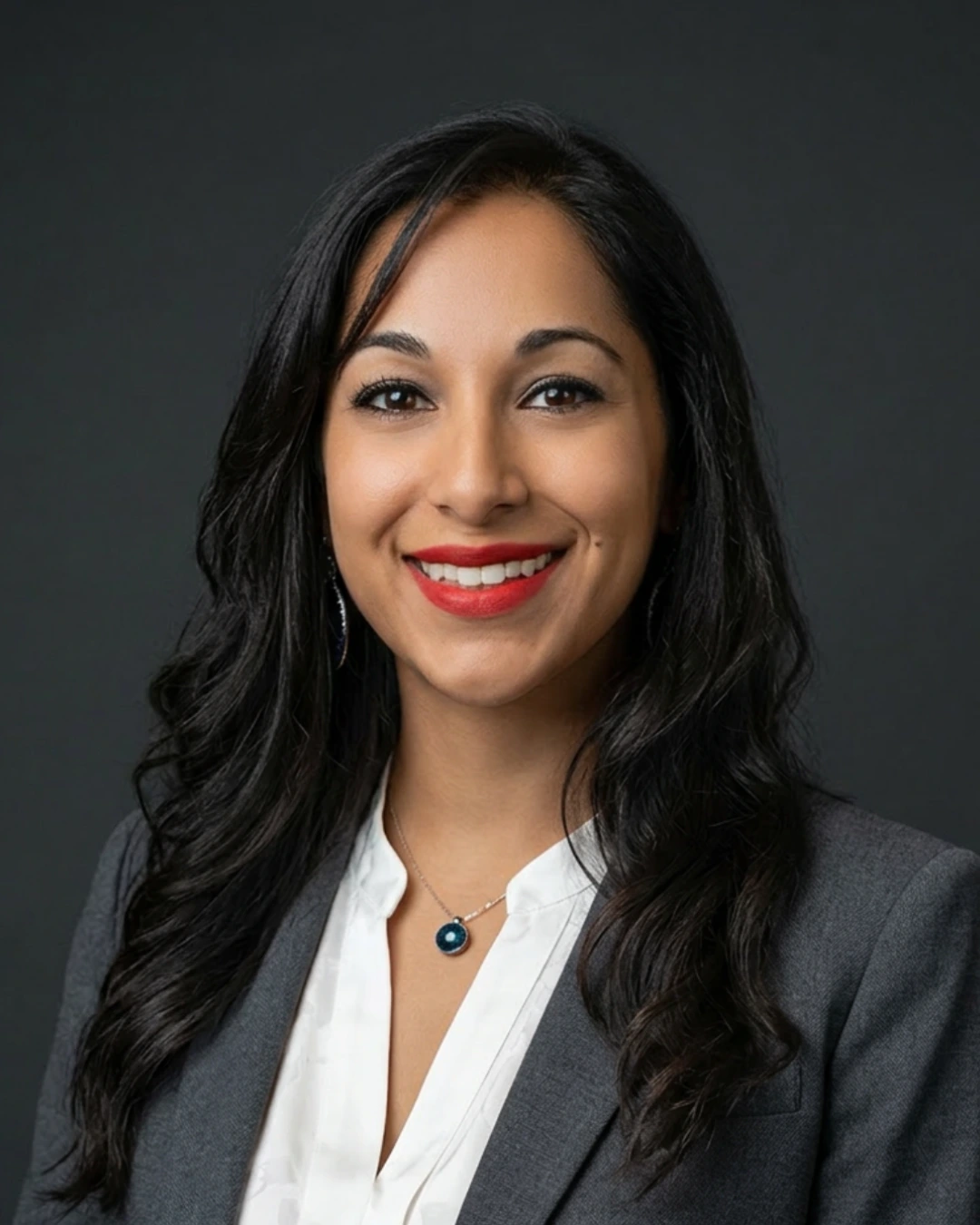
picture.jpg

Mia Levy, PhD, MS, PharmD

CEO

Mia Levy, PhD, MS, PharmD, is a healthcare executive and multi-unit entrepreneur with an extensive background in both clinical psychology and pharmacy. As CEO, she leverages her doctoral-level science education and private-sector leadership experience to ensure operational excellence and high-standard patient care. Her unique dual expertise allows her to lead treatment center operations with a rigorous, data-driven, and analytical perspective.

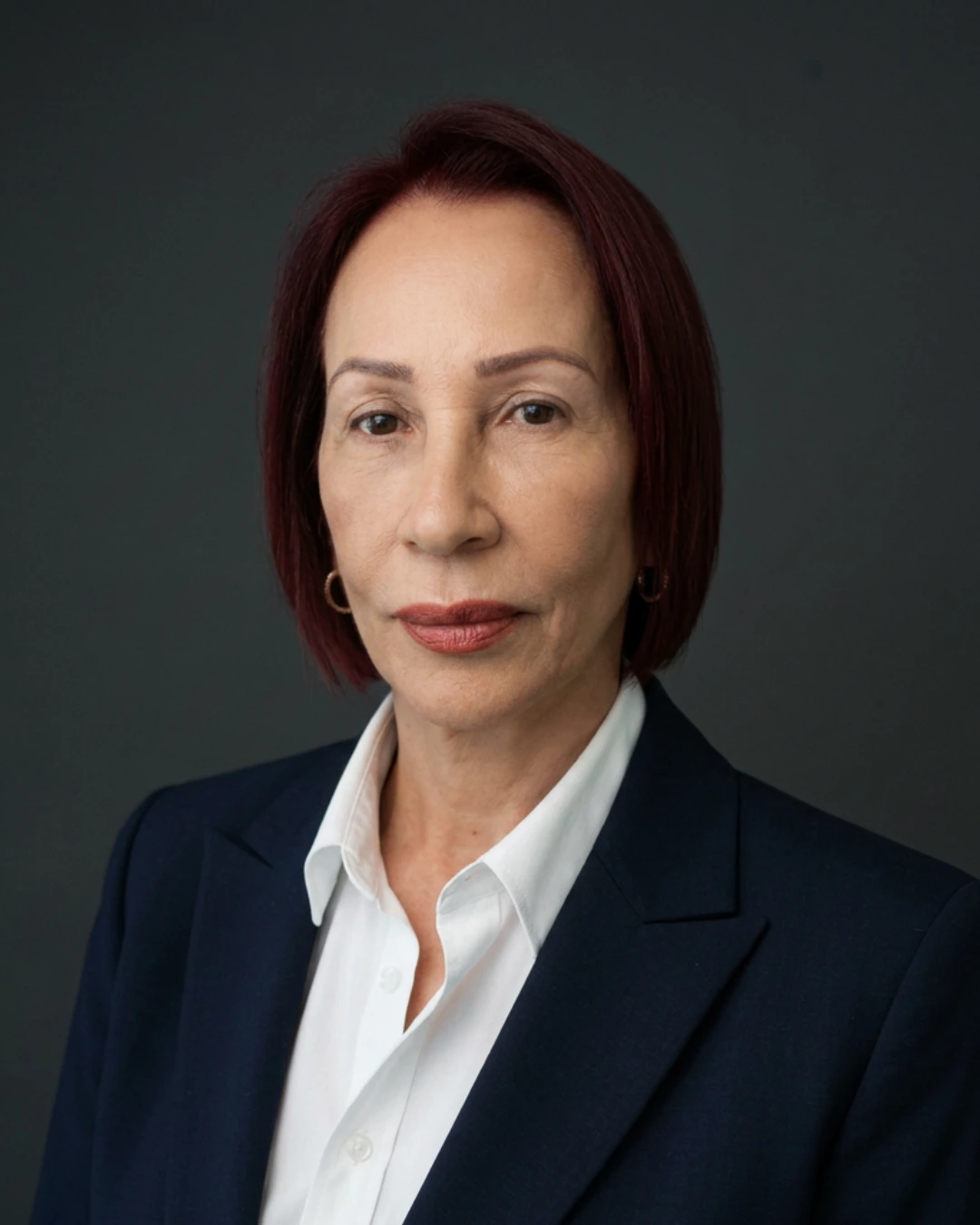
1770486321167.png

Dr. Elizabeth Blackburn, LCSW, QS, EMDR

Clinical Director

Dr. Elizabeth Blackburn is a highly accomplished Licensed Clinical Social Worker with a Doctorate in Social Work from Florida Atlantic University. As a Clinical Director, extensive leadership experience is leveraged to oversee high-standard, evidence-based outpatient care and program development.

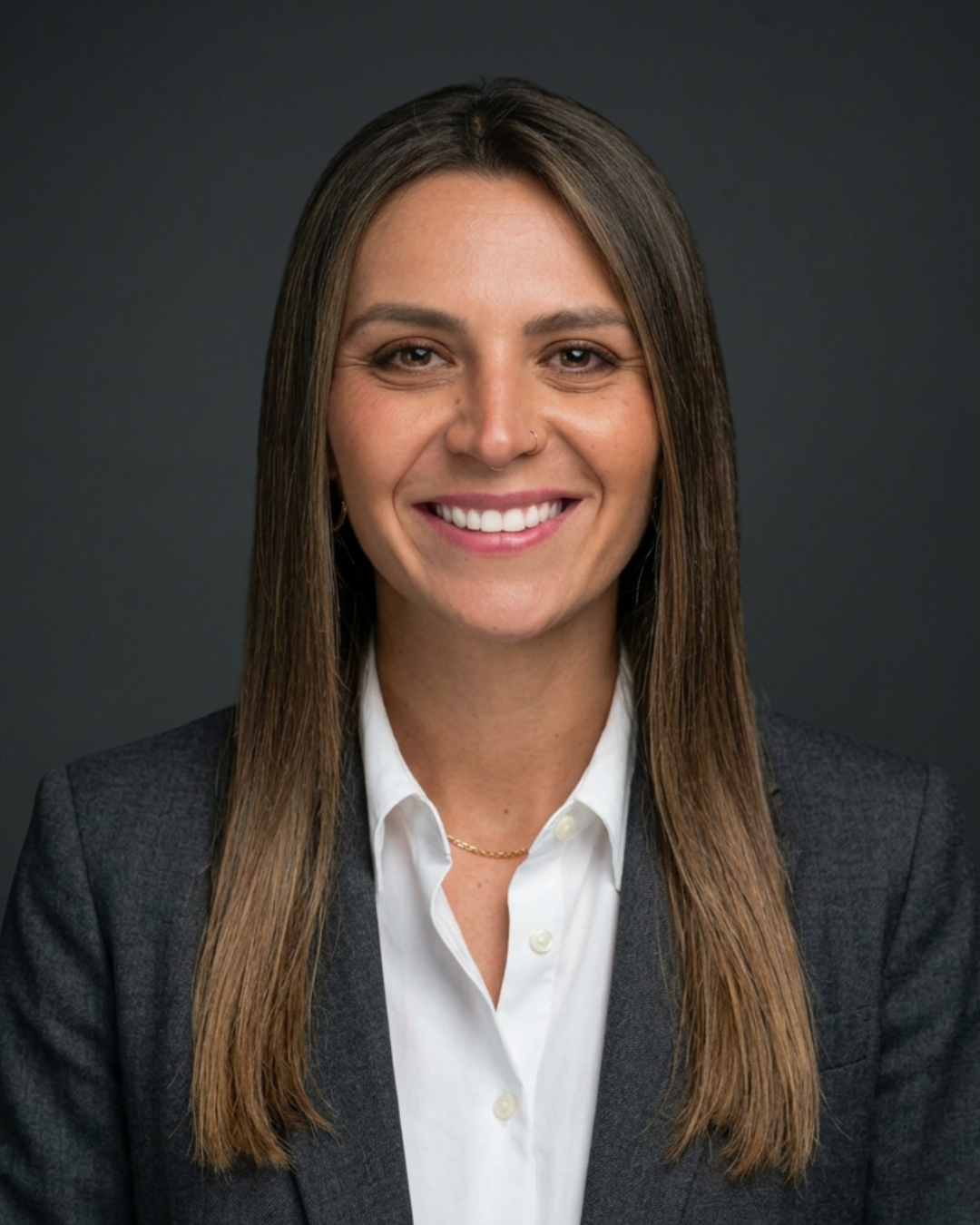
Resized_1774629198684.png

Alqwanna Smith

Therapist

Alqwanna Smith is a dedicated Licensed Clinical Social Worker with a strong foundation in clinical practice and a commitment to advancing patient care. With a degree from the Florida Atlantic University Advanced Standing Graduate Program, this background is rooted in rigorous academic training and intensive clinical experience.

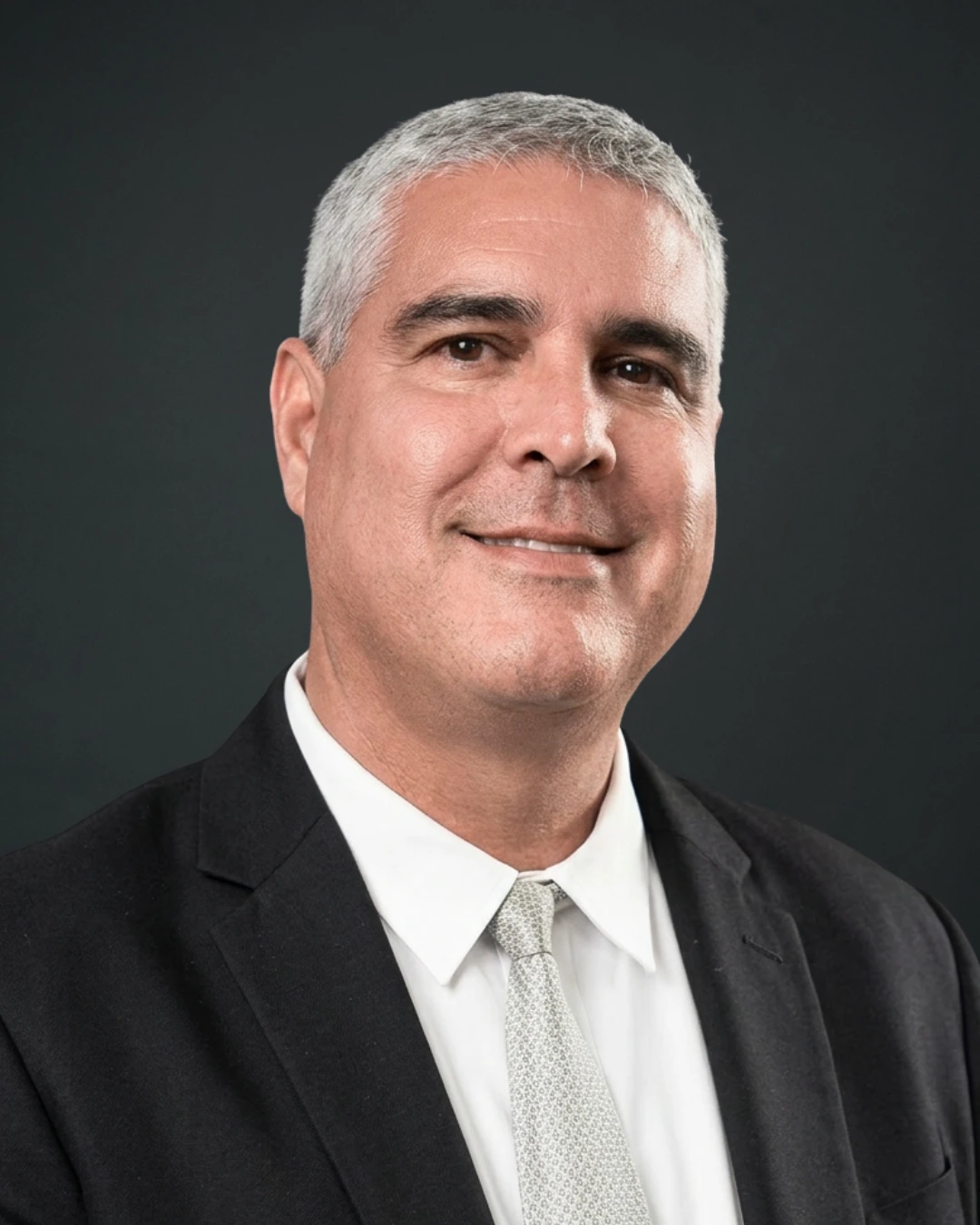
31646074377211.jpeg

Keith Wasserman, ARNP

Nurse Practicioner

With more than 21 years of experience in mental health care, I have worked with individuals facing acute challenges in both hospital and private practice settings. As a PMHNP, I value a team approach to treatment and believe the best outcomes happen when clients are fully involved in their care. I aim to create a welcoming and supportive space, using empathy, collaboration, and even a bit of humor to help clients feel comfortable and engaged in their journey.

1516892313383.jpeg

Francisco Cruz, M.D

Doctor

Francisco Cruz, M.D is board certified in General Psychiatry and Addiction
Medicine. He has been practicing psychiatry for over 19 years and has
extensive experience treating mental illness and substance use disorders
in a variety of settings. Dr. Cruz believes in a holistic approach to

Psychiatry incorporating excellent client centered care within a bio-
psycho-social-spiritual model and the use of novel treatment modalities to

improve the quality of life and overall health of his patients.

Recovery, healing, inspire hope, evidence based practices

Get In Touch

We’re here to help you take the first step

bottom of page